
欢迎您访问52ij英汉互译网,今天小编为你分享的英语知识是:【猫奴主人看过来:喵星人是这样看你的!】,下面是详细的分享!
猫奴主人看过来:喵星人是这样看你的!
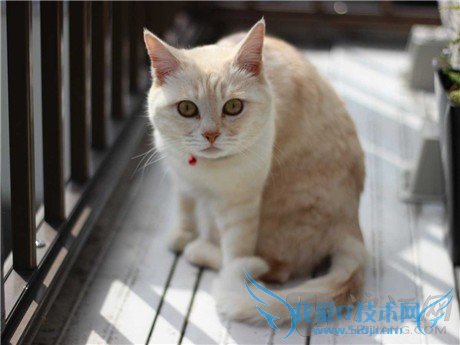
Cats get a bad rap. 喵星人的名声很坏。
They pretty much do what they want and are generally thought of as less friendly than dogs. 它们总是我行我素,通常也被认为不及汪星人友好。
But a new book,"Cat Sense," provides fresh insight into the relationship between cats and humans, and gets to the heart of why cats have earned their reputation as being furry little jerks.但在新书《猫感》中,作者从全新视角探讨了喵星人与人类之间的关系,深度剖析了喵星人为何被误解为毛茸茸的小怪咖。
The book is based on 30 years of research by John Bradshaw, a biologist and director of the Anthrozoology Institute at the University of Bristol. 这本书是约翰-布拉德肖根据30年的研究经验撰写而成。约翰是一位生物学家,同时也是布里斯托尔大学人与动物关系学研究院的主任。
Here are some of the most interesting findings we've seen in interviews and reviews of Bradshaw's book:下面就是通过采访与社论从布拉德肖书中摘录的有趣发现:
The cat's purr isn't just a sign of being content. Kittens purr to get their "mother to lie still while they're suckling," Bradshaw told NPR in an interview. The purr is carried into adulthood, where it's used as "a signal to the animals, [and] the people around them to pay attention and try to help them."猫打呼噜不单意味着舒服,小猫打呼噜也表示 “要求猫妈妈在它们喝奶时安静躺着”,布拉德肖在美国国家公共电视台的采访中说道。这种打呼噜的习惯一直延续到成猫阶段,是喵星人向周围动物及人寻求关注和帮助的信号。
Cats are different than dogs because they weren't purposely bred to be our companions, Nicholas Wade explains in a review for The New York Times. They are still mostly wild animals that "rely almost entirely on their natural social behaviors," writes Wade. 喵星人和汪星人存在区别,是因为喵星人从一开始就没有被刻意训练成人类的伙伴,尼古拉斯-韦德在《纽约时报》的评论中写道。他还表示:“猫在很大程度上仍属于野生动物,仍然完全依靠自身的自然社会习性来生存。”
This is also why cats have earned a reputation for being unfriendly. The domestic cat population is largely controlled through spaying and neutering, leaving mostly wild or feral cats (known for their nasty behavior) for domestic cats to breed with. As a result, we are unintentionally "causing cats to evolve into animals society won't like as much," according to a review by Steven Poole in The Guardian. 这也是喵星人被误以为不友善的原因。通过切除卵巢或阉割,家养猫的数量得到了良好控制,以致大多数臭名昭著的野猫成了交配对象。结果无意中导致“猫演化成了不受待见的动物群体。”史蒂夫-普尔在《卫报》上评论说。
Cats view their owners as bigger, nonhostile cats — not kittens whom they want to feed by dropping rodents at the doorstep.在喵星人眼里,主人是没有恶意的大猫——而不是需要它们将猎物衔到门口喂养的小猫。
This act isn't the cat searching for a prize to bring back to the house. Bradshaw says that cats actually prefer canned cat food, so they ditch the prey by the door when they get home and remember this. 喵星人把猎物叼回家并不是为了寻求奖赏。布拉德肖说,其实喵星人更喜欢罐头猫粮,所以它们回家时会把猎物埋在门边并记得这个位置。
Cats greet humans the same way they would greet fellow, friendly cats — with an upright tail that demonstrates affection for their owners, says The Independent's Heather Saul.喵星人欢迎人类的方式和它们欢迎同类的方式一样,友好的喵星人会竖直尾巴表达对主人的喜爱之情,希瑟-扫罗在《独立报》上说。
Cats are good at climbing up trees because they have claws that face forwards, writes Poole. This design is not good for helping them get down, which is why cats often get stuck in trees.喵星人擅长爬树是因为它们有能够前伸的锋利爪子,普尔写道。但前伸的爪子却不利于向下攀爬,所以喵星人经常会被困在树上下不来。
- 评论列表(网友评论仅供网友表达个人看法,并不表明本站同意其观点或证实其描述)
-